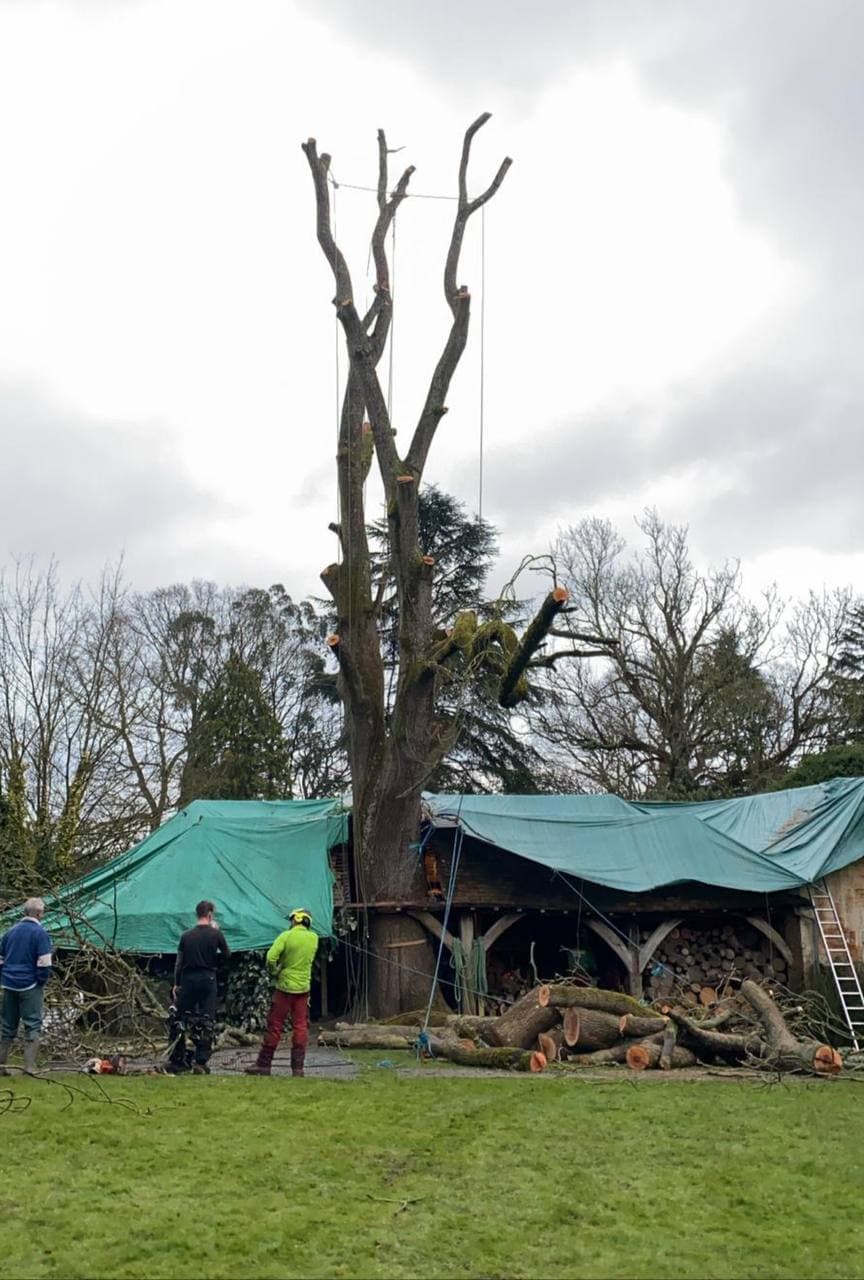
Tree trimming is an important part of maintaining healthy, well-structured trees. Removing selected branches at the right time can help manage unwanted growth, address damaged or dead wood and keep trees suitable for their surroundings.
However, there is no single trimming period that applies to every tree. The best time depends on the tree species, its condition, growth pattern and the reason for the work. For homeowners in Folkestone, Kent, understanding these factors can help ensure tree trimming is carried out appropriately.
Why Does the Timing of Tree Trimming Matter?
Trees respond to pruning and trimming in different ways depending on the time of year. Seasonal growth patterns can influence how quickly a tree responds to cuts and how much stress the work may cause.
Choosing an appropriate time can also make it easier to assess the tree’s structure. With fewer leaves on some deciduous trees, branches and structural issues may be easier to identify.
However, timing should always be considered alongside the individual condition and requirements of the tree.
Is Winter a Good Time to Trim Trees?
Winter can be suitable for certain types of tree trimming, particularly for many deciduous trees when they are dormant and have lost their leaves.
The lack of foliage can make the branch structure easier to see, allowing specific branches to be assessed more clearly. This can be useful when carrying out structural pruning or removing selected dead or damaged growth.
However, winter is not automatically the correct time for every tree. Species, weather conditions and the type of pruning required should all be considered before work begins.
What About Spring and Summer Trimming?
Spring and summer are periods of active growth for many trees. While some routine trimming may be appropriate, unnecessary or excessive cutting during active growth can place additional stress on a tree.
Summer trimming can sometimes be useful when specific growth needs to be managed or where damaged branches require attention. However, the work should be carefully planned rather than carried out simply because the tree has become leafy.
The correct timing depends on the individual tree and the reason for trimming.
When Should Damaged or Dangerous Branches Be Removed?
Dead, broken or damaged branches should not necessarily be left until a particular season. If a branch has been damaged by strong winds or another event, it may require prompt professional assessment.
Damaged branches can affect the tree’s structure and may become increasingly unstable. A professional tree surgeon can assess the condition of the branch and determine whether removal or other tree surgery is appropriate.
Safety and the condition of the tree should take priority over following a seasonal timetable.
Does the Tree Species Affect Trimming Time?
Yes. Different tree species have different growth patterns and responses to pruning.
Some trees may respond well to trimming during their dormant period, while others require a different approach. The tree’s age, health and previous pruning history can also influence the appropriate timing.
This is why a general calendar cannot replace an assessment of the individual tree.
How Often Should Trees Be Trimmed?
Trees should not automatically be trimmed every year. Excessive or unnecessary pruning can remove healthy growth and may affect the tree’s natural development.
Instead, trimming should be based on the tree’s condition and whether there is a clear reason for removing particular branches.
Signs that a tree may need professional attention include:
- Dead or damaged branches
- Crossing or rubbing branches
- Excessive or uneven growth
- Branches growing towards buildings
- An overcrowded crown
- Growth that is becoming difficult to manage
Regular visual checks can help identify these issues before they become more difficult to address.
Why Professional Tree Trimming Is Important
Tree trimming requires more than simply cutting back branches. The position of each cut can influence future growth, structure and the overall appearance of the tree.
Professional tree surgeons can assess the tree before work begins and determine which branches need attention and when the work is most appropriate.
This approach helps avoid unnecessary removal of healthy growth and ensures the trimming is suited to the tree’s particular requirements.
Tree Trimming in Folkestone, Kent
Trees in gardens and around properties in Folkestone, Kent can have different maintenance requirements depending on their species, size, condition and surroundings.
Folkestone Tree Surgeons can assess individual trees and provide professional advice on suitable trimming and pruning. Where work is required, the approach can be planned around the condition of the tree and the purpose of the maintenance.
Professional assessment can help homeowners understand whether their trees need routine trimming, selective pruning or another form of tree surgery.
Conclusion
The best time to trim a tree depends on its species, condition, growth pattern and the reason for the work. Winter may be suitable for certain deciduous trees, while some work can be appropriate during other seasons when carefully planned.
Damaged or potentially unstable branches should be assessed when the problem occurs rather than waiting for a particular time of year. Most importantly, trees should only be trimmed when there is a clear reason for doing so.
If you are unsure when your trees in Folkestone, Kent should be trimmed, contact Folkestone Tree Surgeons to discuss your requirements and arrange a professional tree assessment.
Call us on: 01303 765 498
Click here to find out more about Folkestone Tree Surgeons
Click here to complete our contact form and see how we can help with your tree’s needs.